
Fire Damage Restoration in Fond du Lac, WI for Homes and Businesses
A fire leaves three problems behind at once: the burn itself, the smoke and soot that travelled far past the flames, and the water used to put it out. Winnebago Fire Pros introduces you to a local fire restoration professional who handles all three in the right order, from the first assessment and board-up to the final coat of paint.
- Available 24/7
- Board-Up and Soot Cleanup
- Contents Care and Rebuild
- Fond du Lac, WI 54935 to 54937
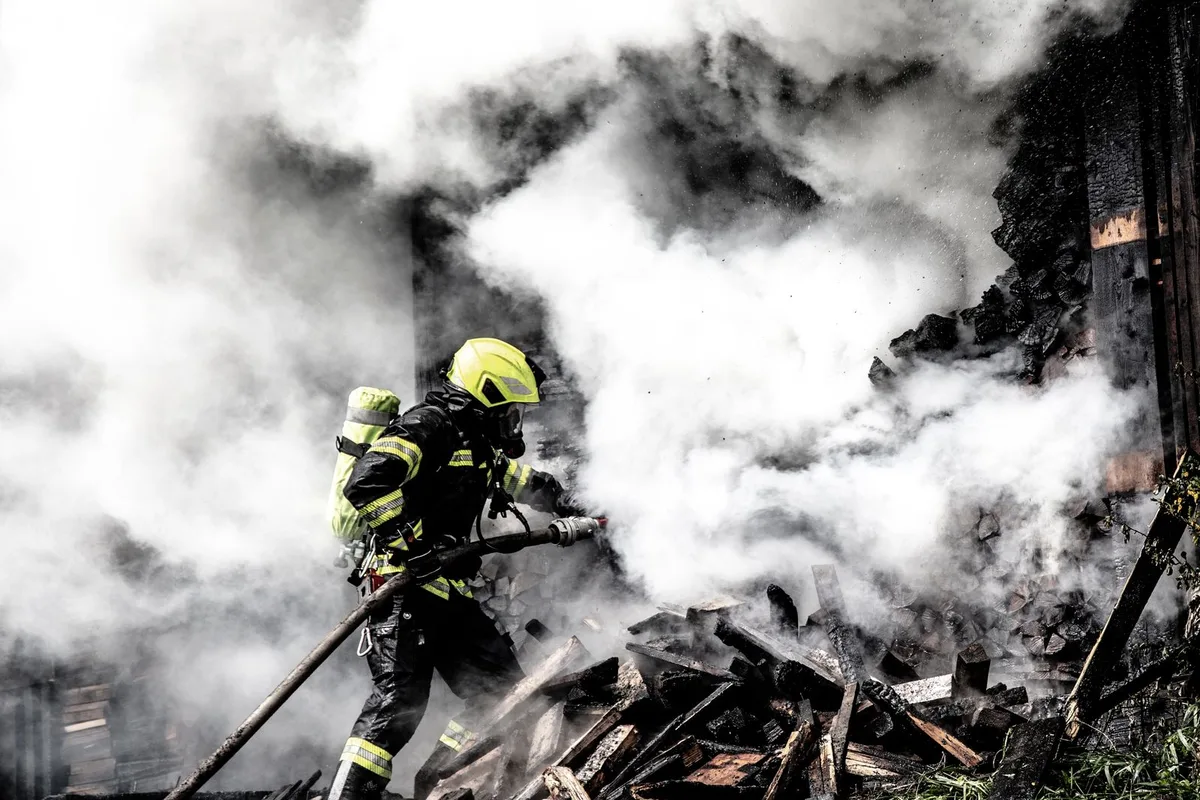
First Steps After a Fire
- Secure the OpeningsBoard up broken windows and doors and tarp roof damage before weather gets in
- Document Before You CleanPhotograph every room as it stands; do not wipe soot or discard damaged items yet
- Call Your InsurerOpen the claim early; the assessment, photographs and inventory become your claim record
Why Fond du Lac Homes Face the Fire Risks They Do
Fond du Lac sits at the south end of Lake Winnebago, and its housing tells the story of a lumber and railroad town. The historic districts along Main Street and Linden Street hold homes built a century ago, with balloon-framed walls that give fire and smoke a straight vertical path, wiring added in layers over decades, and heating systems that work hard from October to April. Newer subdivisions on the east side face a different list: kitchen fires, dryer fires and garage fires, the everyday causes that start most house fires in Wisconsin.
Winter does much of the damage planning here. Furnaces, wood stoves, space heaters and fireplaces run for months, chimneys collect creosote, and a heating fault in a seasonal lakefront home near Lakeside Park can smoulder for days before anyone notices. When a fire does start, the cold works against the recovery too: firefighting water freezes in wall cavities, pipes burst in unheated rooms, and a home left open to a January night takes weather damage on top of fire damage.
That is why the order of work matters as much as the work itself. Secure the openings first, dry the structure before soot and water set in, clean in the right sequence, and document everything before anything is thrown away. A job run in that order protects the insurance claim, the structure and the belongings that can still be saved. A job run out of order usually costs more and saves less, and the difference shows within the first 48 hours.
Fire Restoration Services in Fond du Lac, WI
Ten services cover the full job, from the first walk-through to the rebuild. Every service page explains what the work involves, what drives its price, and how to tell if it is the service your property needs.
Fire Damage Assessment
A fire damage assessment is the careful walk that turns a burned house into a written plan.
About this serviceSmoke Damage Cleanup
Smoke goes everywhere the air goes, and in most house fires it damages far more of the home than the flames do.
About this serviceSoot Removal
Soot is the fine black residue smoke leaves behind, and it is more aggressive than it looks.
About this serviceWater Damage After a Fire
Putting out a fire takes water, a lot of it, and the water does not stop working when the flames do.
About this serviceStructural Cleaning
Once the contents are out and the loose debris is gone, the building itself remains: charred framing, soot-blackened masonry, stained concrete and smoke driven into every cavity the air reached.
About this serviceHVAC Smoke Cleaning
During a fire, a running furnace or air conditioner is a smoke distribution system.
About this serviceFire Damage Reconstruction
Reconstruction is where a fire job stops being cleanup and becomes a home again.
About this serviceHow a Fire Job Runs, Start to Finish
The sequence is the service. Cleaning before the structure is dry, or throwing out contents before they are documented, are the two mistakes that cost Fond du Lac homeowners the most after a fire.
- 1
Assessment and documentation. The professional walks the property, photographs and notes the damage room by room, and separates what burned, what smoke reached and what the water touched.
- 2
Secure and dry. Broken windows and roof openings are boarded or tarped, standing water is extracted, and drying equipment goes in before soot acids and moisture do more damage.
- 3
Soot and smoke cleaning. Surfaces are cleaned with methods matched to the soot type, from dry sponges on painted walls to wet cleaning on sealed surfaces, working from the fire room outward.
- 4
Contents and odor. Salvageable belongings are inventoried, packed out and cleaned; odor is treated at its source in materials, not masked, and the HVAC system is cleaned so it stops recirculating smoke.
- 5
Reconstruction. Damaged framing, drywall, flooring and finishes are rebuilt so the home comes back whole, with the cleaned contents returned at the end.
What Fire Restoration Costs in Fond du Lac
Honest pricing after a fire depends on the loss in front of the professional, not on a chart. The things that move the number are how much of the home the fire and smoke reached, how long soot sat before cleaning started, and how much structure has to come out and be rebuilt. A contained kitchen fire with smoke through two rooms is one kind of job. A fire that opened the roof and soaked the first floor is another. Most fire losses are insured, and the written scope the professional builds after the assessment is the same document your insurer works from, which is one more reason the assessment comes first and nothing is discarded before it is recorded.
| Situation | What drives the cost | Typical next step |
|---|---|---|
| Small contained fire, smoke in nearby rooms | Soot type, rooms reached, contents affected | Assessment, then cleaning scope in writing |
| Fire out quickly, heavy smoke through the home | Surface types, odor treatment, HVAC cleaning | Soot testing and a room-by-room cleaning plan |
| Open roof or broken windows after the fire | Board-up area, tarping, weather exposure time | Emergency secure visit, then full assessment |
| Structural damage and rebuild needed | Framing and finish scope, permits, materials | Assessment with a reconstruction estimate |
Where We Work in Fond du Lac
The nine neighborhoods below cover the city from the lakefront to the village line at North Fond du Lac. Each area page covers the housing stock, the fire patterns that come with it, and the services that fit.
Downtown Fond du Lac
Downtown Fond du Lac stacks living space over businesses along Main Street, in buildings that have stood for a century o...
Fire restoration in Downtown Fond du LacLakeside Park
The Lakeside Park neighborhood sits where the city meets Lake Winnebago, a mix of older cottages and year-round homes th...
Fire restoration in Lakeside ParkNorth Main Street
The North Main Street Historic District holds some of Fond du Lac's finest old homes, large houses built when balloon fr...
Fire restoration in North Main StreetSouth Main Street
South Main Street mixes homes with the businesses that line US 45 as it runs through the south side, and fires here ofte...
Fire restoration in South Main StreetLinden Street
Linden Street is a working residential street of modest homes, many with attached garages, and the garage is where its f...
Fire restoration in Linden StreetEast Side
The East Side neighborhoods around East Division Street and Sheboygan Street mix historic homes with established family ...
Fire restoration in East SideWest Side
The West Side is Fond du Lac's family subdivision country: newer homes, finished basements and open-plan main floors. Fi...
Fire restoration in West SideNorth Fond du Lac
North Fond du Lac is its own village at the city's north end, a community of commuter households where many homes stand ...
Fire restoration in North Fond du LacWest Johnson Street
West Johnson Street is Fond du Lac's retail corridor, the Miracle Mile of stores and restaurants along WI 23, with homes...
Fire restoration in West Johnson StreetWhat the First Visit Covers
The first visit is an assessment, not a sales call. The professional walks the whole property, including the attic, the basement and any outbuildings, and separates the damage into the three kinds a fire leaves: what burned, what smoke and soot reached, and what the firefighting water soaked. Each kind is photographed and noted room by room, moisture is read in walls and floors, and soot is tested on key surfaces so the cleaning plan matches the residue actually present.
If the property is standing open, broken windows, a forced door, a holed roof, securing happens on that same visit wherever possible, because weather through an opening can out-damage the fire within a single night. You leave the visit with the damage map, the recommended order of work and a written estimate. Nothing is cleaned, packed or thrown away before it is documented, and the record built on this visit is the one your insurer works from for the rest of the claim.
Talk to a Fond du Lac Fire Professional
Tell the professional what burned and what the smoke reached, and get the assessment and securing booked on one call.
Straight Answers Before You Book
Two things are worth knowing in the first days after a fire. First, soot is not just dirt. The residue from burned plastics and synthetics is acidic, and on metal, stone and painted surfaces it starts etching and yellowing within days; waiting a week to start cleaning can turn cleanable damage into replacement damage. Second, do not throw anything away yet, even items that look ruined. Your insurer may need them documented, some can be cleaned that look lost, and the professional's inventory is part of your claim record.
For the safety side of the first night, from re-entry to space heaters in a damaged home, see the U.S. Fire Administration's fire safety guidance. What you get on the call here is a direct conversation with the professional who would do the work: what they would assess first, what the likely scope is, and what the written estimate will cover. No pressure and no invented urgency.
- Available 24/7 for calls, including weekends
- Emergency board-up and tarping to secure the property
- Room-by-room documentation for your insurance claim
- Written scope after assessment, before work starts
- Contents inventoried and packed out, never discarded undocumented
Fire Questions Fond du Lac Homeowners Ask
How soon should restoration start after a fire?
The securing work, board-up, tarping and water extraction, should happen as soon as the fire department releases the property, ideally the same day. Soot and standing water both keep damaging the home while they sit. The full cleaning and rebuild scope follows the assessment, and starting the clock early is what keeps a bad week from becoming a worse month.
Will my insurance cover fire restoration?
Most homeowners policies cover fire and smoke damage and the restoration that follows, but coverage details are between you and your insurer. What the professional provides is the documentation insurers work from: photographs, a room-by-room inventory and a written scope. Keep receipts for emergency expenses, and do not discard damaged items until your adjuster has what they need.
Can smoke odor really be removed, or just covered up?
Removed, when the work is done at the source. Odor lives in soot film on surfaces, in soft furnishings, and in the HVAC system. Cleaning the surfaces, treating or removing the materials that hold the smell, sealing where needed and cleaning the ductwork is what ends it. Sprays and candles only layer a second smell over the first, and the smoke smell comes back as soon as they fade.
Standing in a burned room, or smelling smoke in a house that never caught fire? Call and describe what happened. You will reach the professional directly, and the first step is always an assessment, not a sales pitch.